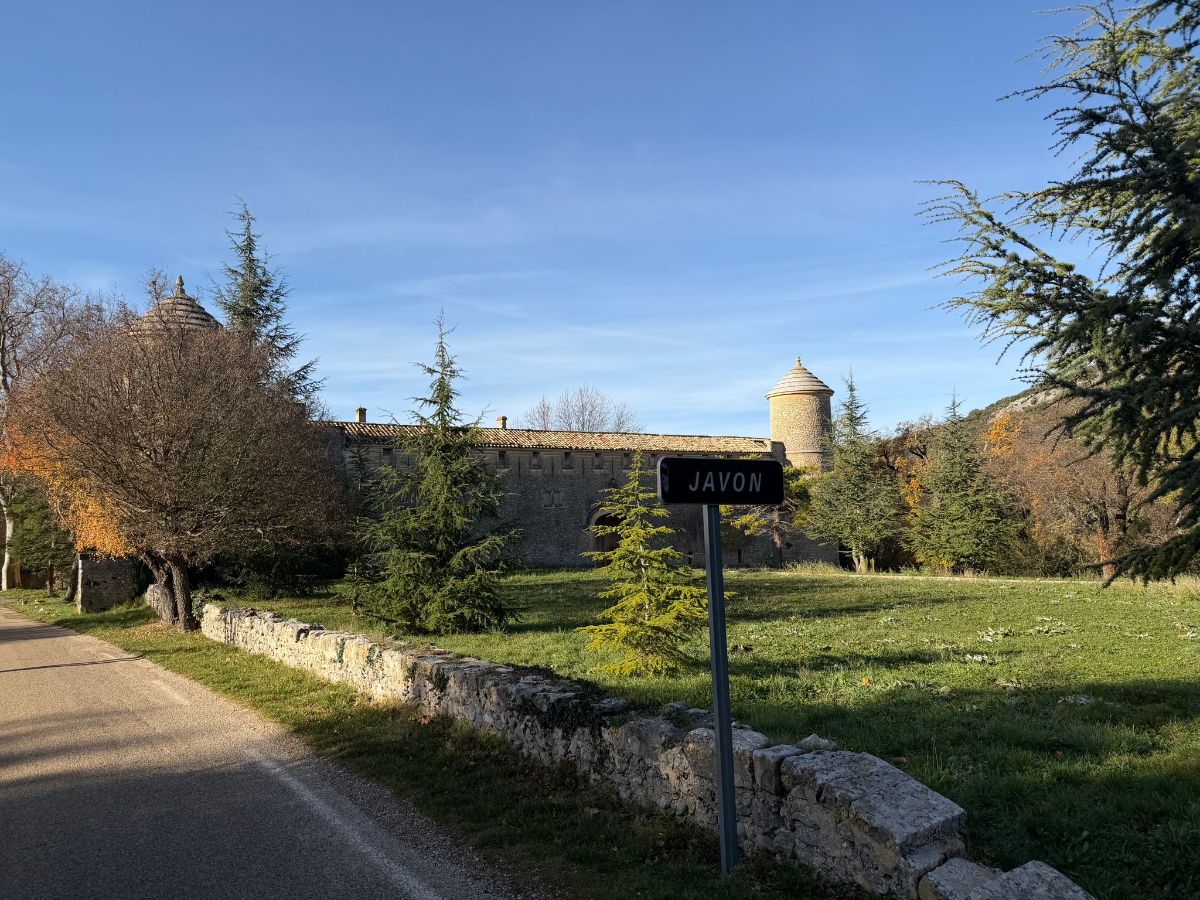

Collection du Château de Javon
The history of Javon Castle is linked to that of an illustrious family of Florentine origin, the Baroncelli, whose settlement in Provence in the 15th century bears witness to the close ties between Italy and the Comtat Venaissin at the end of the Middle Ages. Pierre Baroncelli, from a noble Florentine family, settled in Avignon around 1462 as a merchant and money changer. At that time, Avignon remained a major economic and cultural centre, marked by the presence of powerful Italian families. The Baroncelli family quickly rose to prominence, actively contributing to the city's prosperity. They built their residence, the Hôtel Baroncelli, now known as the Palais du Roure, considered one of the most remarkable Gothic residences in Avignon and a testament to their power and refinement. In his will, Pierre Baroncelli bequeathed all his property to his nephew François Baroncelli, as his son Julien had died without issue. François continued the family's influence and played a decisive role in the economic and political life of the ‘Italian nation’ of Avignon, becoming its consul on two occasions. In 1513, he received the fiefdom of the land of Javon, then in decline, and undertook its restoration and redevelopment with determination. It was from this period onwards that the name of Javon became permanently associated with that of the Baroncelli family, sealing the union between an exceptional piece of land and a prestigious lineage.
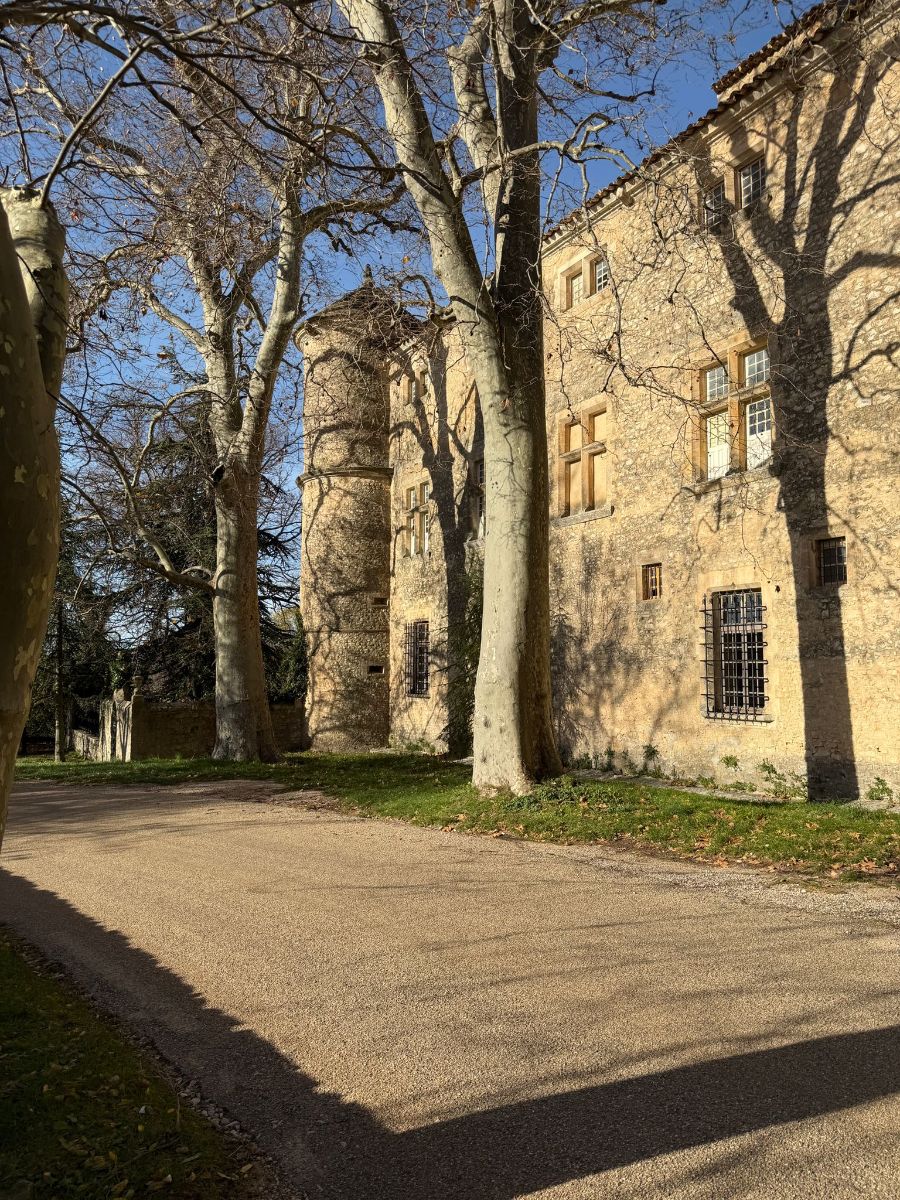
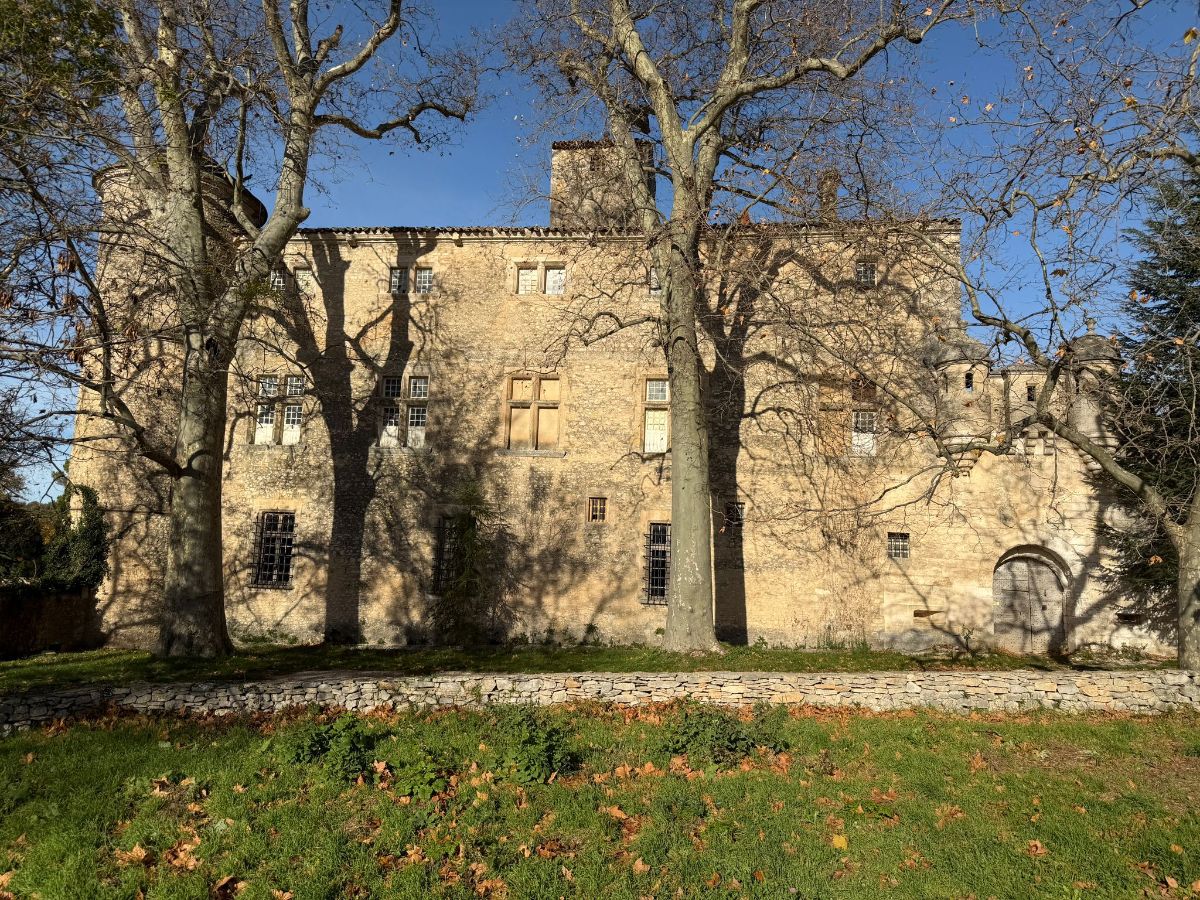
In 1551, his eldest son, Pierre II Baroncelli, had the Château de Javon built on the heights of Lioux, in the heart of the remarkable Comtat Venaissin region, overlooking an unspoilt landscape between the Luberon and the Sault plateau. This residence embodies the introduction of Italian Renaissance architectural codes to Provence. The façade, characterised by an elegant basket-handle arch doorway, is adorned with high-quality sculpted elements: colonnettes, triglyphs, pediments, bucrania, rosettes, as well as Doric and Ionic capitals. These decorations, inspired by Antiquity and probably produced in Florentine workshops, bear witness to the aesthetic refinement and humanist culture of its patrons. The richness of this architectural ensemble earned it partial classification as a historic monument in 1978.
|

In the 19th century, the château entered a new phase in its history when it was acquired by the Vayson family in 1841. This acquisition marked the beginning of a new chapter, closely linked to the artistic and intellectual life of Provence. The painter Paul Vayson (1841–1911), a major figure of the Avignon school, left his mark by creating troubadour-style wall decorations, which can still be seen today above the château's large fireplace. His son, André Vayson de Pradenne (1888–1939), an eminent archaeologist and prehistorian, helped to establish the estate in a tradition of knowledge and intellectual transmission.
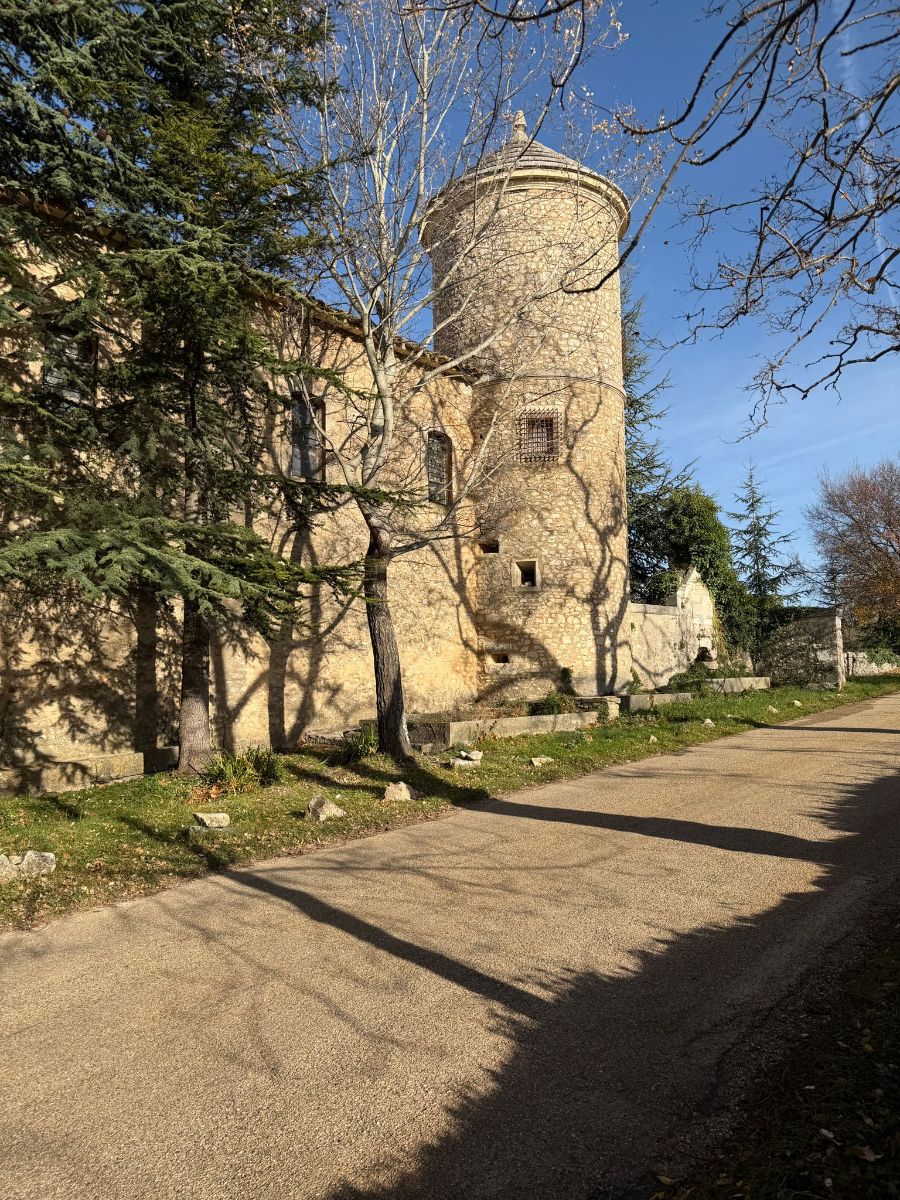
Passed down through the generations, the Château de Javon remains closely linked to the history of the Vayson family, who ensure its continuity and promotion. Nestled in an exceptional setting, this place steeped in history embodies both the legacy of the Italian Renaissance in Provence and the permanence of a remarkable family and cultural tradition. The dispersal of the Château de Javon collection is therefore a major heritage event, offering a rare opportunity to acquire works and objects from a historical collection that has been preserved for several centuries, a living testimony to the art of living and refinement of the great Provençal residences.